- 글번호
- 963567
[학술저서] Community Resilience: Equitable Practices for an Uncertain Future
- 작성일
- 2026.01.08
- 수정일
- 2026.02.23
- 작성자
- 총관리자
- 조회수
- 19
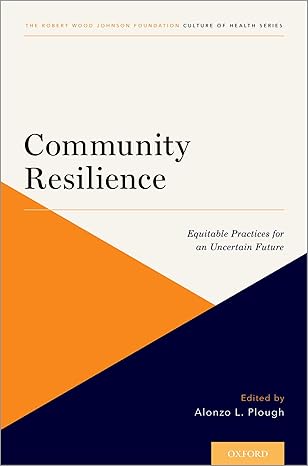
In this fifth volume of the Robert Wood Johnson Foundation's Culture of Health series, Community Resilience: Equitable Practices for an Uncertain Future highlights the importance of resilience, or the set of assets that allow a person or place to recover when adversity hits, by illustrating the policies and stories of lived experience surrounding health equity. Whether that adversity is acute--such as an environmental disaster or an abuse of police power--or chronic--such as that engendered by poverty and racism--local innovation and community engagement are key to nurturing resilience and promoting health equity.
Community Resilience positions storytelling and narrative shifts as essential to influencing our perceptions of who deserves empathy or support, and who does not, by examining the systemic barriers to resilience and the opportunities to reshape the landscape to overcome those barriers. The central message of this volume--across immigration or imprisonment, opioids or trauma, housing or disaster preparedness--is that we must act intentionally and allow a shift in power in order to make progress.
Community Resilience positions storytelling and narrative shifts as essential to influencing our perceptions of who deserves empathy or support, and who does not, by examining the systemic barriers to resilience and the opportunities to reshape the landscape to overcome those barriers. The central message of this volume--across immigration or imprisonment, opioids or trauma, housing or disaster preparedness--is that we must act intentionally and allow a shift in power in order to make progress.
그 역경이 환경 재해나 경찰력 남용과 같은 심각한 역경이든, 빈곤과 인종차별로 인한 역경과 같은 만성이든, 지역 혁신과 지역사회 참여는 회복력을 키우고 건강 형평성을 촉진하는 데 핵심입니다.
- 저자
- Alonzo L. Plough
- 서지
- Oxford UP.
- 발간일
- 2021
- 첨부파일
- 첨부파일이(가) 없습니다.